Setting and working towards goals can be a powerful way to improve your life and achieve your dreams.
However, it is important to approach goal-setting in a strategic and proactive way to increase your chances of success. Here are some tips to help you reach your goals:
Set specific and measurable goals: Instead of setting vague or general goals, be specific and quantify your targets. For example, instead of setting a goal to “exercise more,” set a goal to “exercise for 30 minutes at least 3 times per week.” This will make it easier to track your progress and stay motivated.
Make a plan: Once you have identified your goals, create a plan of action to achieve them. This can include specific tasks, deadlines, and resources needed.
Stay focused: It is easy to get side tracked or derailed by distractions and setbacks. To stay on track, make a commitment to your goals and focus on them consistently.
Track your progress: Keep track of your progress towards your goals, and celebrate your successes along the way. This can help to keep you motivated and on track.
Stay flexible: While it is important to have a plan, it is also important to be open to adjustments and changes as needed. Be willing to adapt your approach and make course corrections if necessary.
By following these tips and staying committed to your goals, you can increase your chances of success and achieve the things you want in life.
For more training on goal setting, click here to talk to a life coach.
Want to make some extra money in 2024, sign up with the Travelpayouts referral link, share your link and earn when someone sign up as an affiliate.
Make sure you set up your Travelpayouts account properly to receive a commission when someone sign up as a referral, and share your link daily through Email marketing, Fb, Twitter etc.
Click on the image below to be directed to travelpayouts referral sign-up page, earn as soon as you register and share your link with friends and family.
Jumpstart your blogging profits with Travelpayouts digital partnership platform! Earn by recommending Booking, Tripadvisor, GetYourGuide, and 100 other top travel brands. Join now
LEC will share more ways how to earn extra in 2024, follow our blog
How do we master the art of ethical influence to earn more, impact more and create better relationships with the people we have contact with on a daily basis?
Live Inside The Mind Of The Person You Want To Influence
Do you want to influence your clients? Then you need to enter conversations and see what’s going on inside their mind, see the world through their unique lens, understand their goals, fears, what they want and what they need. Because if you don’t understand where they’re at, you cannot influence them to get somewhere else?
Listen More Than You Talk
People will work with you when they feel understood, not when they understand you. They need to trust that you understand where they are, what they want and how to get there, otherwise why would they listen to you when you offer the path forward?
Fall In Love With Being A Bridge Builder
If you fall in love with the act of helping people, if you fall in love with the idea of getting people from where they are to where they want to go, influencing is much easier. People will feel your passion, your authenticity, and they will want to work with you.
Let me know what you think about this article, fill and send a feedback form…
SCHEDULE YOUR WORK WITH A BEAUTIFUL DIARY. CLICK ON THE IMAGE TO PURCHASE FROM AMAZON
PURCHASE THIS BOOK This Photographer’s Field Notes Journal is the perfect notebook for documenting your photography sessions. This photoshoot tracker will help you record camera settings, lighting, weather, and more. Click on the image to purchase from Amazon…
BUY THIS VLOGGING, EASY TO HANDLE AND CARRY CAMERA RECORDER, YouTube TikTok Video Vlog, for Android and iPhone, Black. Click on the image to purchase from Amazon…
BUY THIS BOOK FOR THE LATES RULES FOR INTERIOR DESIGN, click on the image to purchase from Amazon…
WANT TO KNOW AND LEARN MORE ABOUT AFFILIATE MARKETING? Buy this latest book from Amazon, click on the image to purchase…
Featuring the Article from lifehack.org, written by Allan Dib
At some point in our lives, we’ll question whether we are successful. But what is success, and can you really pave the road to success without knowing what you’re striving for?
The reality is, success means different things to different people. For many, it’s financial wealth and freedom. As an entrepreneur, I’m able to choose where and when I work as well as whom I work with—that’s what’s really important to me. But to others, success might be working in a career that brings joy, ensures the bills are paid, and guarantees security.
It’s essential that you don’t compare where you are now to others because that’s not what success looks like. Think about this: You can be a multi-millionaire and miserable. If you’re working 16 hours a day, never see your family, and can’t remember what it feels like to take a vacation, are you really successful?
Personally, my road to success took too long. I spent way too many years trying to scale my first startup. I wasted thousands of dollars on advertising that didn’t connect with my audience. I spent many sleepless nights worrying about making payroll and keeping the lights on, and that negatively impacted my personal life and my health.
I don’t want this for you, and that’s why I’m going to share the 7 golden rules which I’ve found to be crucial in paving my road to success. Let’s dive in.
1. Change Your Mindset
Often what’s holding us back on our road to success has nothing to do with skillset or financial backing, and everything to do with mindset.
Take entrepreneurship, for example. The biggest barrier to success for most business owners is thinking you’re in the business of selling a service or product. You put all your energy into perfecting it, but if your prospect has never heard of you, why would they buy from you? Where’s the proof that what you’re offering is the gold standard?
You see, you’re not in the business of selling the thing you do, you’re in the business of marketing a service or product. You need to make this shift in your thinking if you want to be successful.
The same can be applied to professionals seeking promotion or those who are looking to change jobs. What’s going to differentiate you from your competition? Why should you be hired? Don’t focus on your skills or how many years of experience you have. What have you achieved that would be attractive to another company?
In both instances, it’s about understanding what the pain points of your target market are, and how you can be the relief they’re searching for.
So you have to change your mindset.
2. Ask for Help
There is no shame in recognizing that you need help. The road to success is not meant to be lonely.
Unfortunately, school conditions us to work alone. We have to rely on our intellect to figure out a solution, and when we apply this thinking to a work scenario, well, that’s when we cease to achieve.
To be successful in business, you need to be able to rely on your colleagues or mentors to help you achieve your goals. A study by Olivet Nazarene University found that 76 percent of people who have mentors view those individuals as critical to their success in life.[1]
Mentors provide clarity and a roadmap to success. But, you need to find someone who’s right for you. This is a person who will challenge your ways of thinking. They’ll provide actionable advice and hold you accountable.
Get the Best Productivity Tools
If you want to be more organized, focused and energized, you need some handy toolkits to help you get there.
Whether it’s time or fulfillment that you want more from life, we can help. Just pick what you need!
Master My Time
Balance My Life
More importantly, they’ll celebrate your wins because they’re invested in your success. It’s a reflection of their mentorship.
So don’t be afraid to ask for help.
3. Learn to Delegate
The world’s most successful people all have one thing in common: They recognize where their strength lies, and that’s where they focus their energies. Everything else gets delegated.
Richard Branson once said,
“The art of delegation is one of the key skills that any entrepreneur must master.”
This couldn’t be more relevant to our lives than now. A report by Xero found that 77 percent of business owners experience burnout,[2] and Gallup’s 2018 report stated that 44 percent of employees feel burned out sometimes.[3]
How can you do what you do best when you’re physically and mentally at your worst?
Learning to let go is tough, but 80 percent out the drawer is better than 100 percent in the drawer. It takes a team to build a profitable business. Whether you’re the owner or an aspiring leader, you need to understand that your team will help you to achieve your goals far quicker than you could ever do on your own.
That’s why you need to surround yourself with people you trust, and those who can work autonomously.
4. Embrace Failure
Don’t be fearful of making mistakes. The truth is, you will fail at some point on your road to success. In fact, you might fail many times. But failure is not an indicator of your capabilities, it’s just another learning experience.
No one likes to fail. But if we never experienced the lows that come with losing or making a mistake, would we really appreciate and celebrate our successes?
The most successful people are risk-takers, and with that, comes failure. But this doesn’t stop them from chasing their goals.
When things go wrong, don’t try to sweep it under the rug and act like it never happened. Ask questions and figure out what was missing and what you could’ve done differently. This type of thinking leads to success.
Always strive to be a better version of yourself. That’s why you should never stop learning.
Be tenacious. Say yes to opportunities that come your way, whether it’s a free online course, a networking event, a webinar, or a chance to engage with a well-known mentor, jump at these opportunities.
You’ll meet people who can help to further your career or grow your business. Remember, they’ve been where you are. Some have achieved success, and some are still on the road to success, but they can all help you.
6. Formulate a Plan of Action
Now that you know what success looks like to you, how are you going to achieve it? What’s your plan of action?
Write it down. A study found that people who wrote down their goals were 33 percent more successful in achieving them.[4]
Once you’ve clearly defined what your roadmap to success looks like, put it up on your wall. Take a moment each day to review your goals and tick off those you’ve already achieved. This will help to motivate you and keep you committed to the dream.
Don’t be afraid to alter your plan. You may decide after a few months that your goals have changed. That’s okay. Just make sure that you adapt your plan to reflect these changes.
7. Never Give Up
How badly do you want it?
Yes, the road to success is paved with failure. You will experience setbacks. This is completely normal. If it were smooth sailing, everyone would be highly successful. And then, who would we have to aspire to be?
I’ve found that persistence and consistency are the keys to achieving success. I’ve watched brilliant individuals fail because they gave up too soon. I’ve also known people with little to no talent achieve massive success because they had grit. They were determined to make it work, and every setback was just another lesson on their path to success.
If you really want to be successful, then you need to be relentless in your pursuit of success. Celebrate every win. They all matter.
The Bottom Line
You can’t begin to chart your road to success without knowing what it is you’re chasing. Define this first. Write it down and review it. Be clear about what you believe it will take to achieve your goals. Then ask yourself,
What am I capable of achieving on my own? Where do I need help? Am I willing to make sacrifices? Am I willing to fail? Do I need to invest in a mentorship program?
When you have clarity about where you’re going, and what you need to do to get there, you have a clear plan of action. Be consistent in taking actionable steps each day, and you will be well on your way to success.
Contact us if you need a Life Coach to work with you online for only US$50 per hour. Fill in the form below with your personal message…
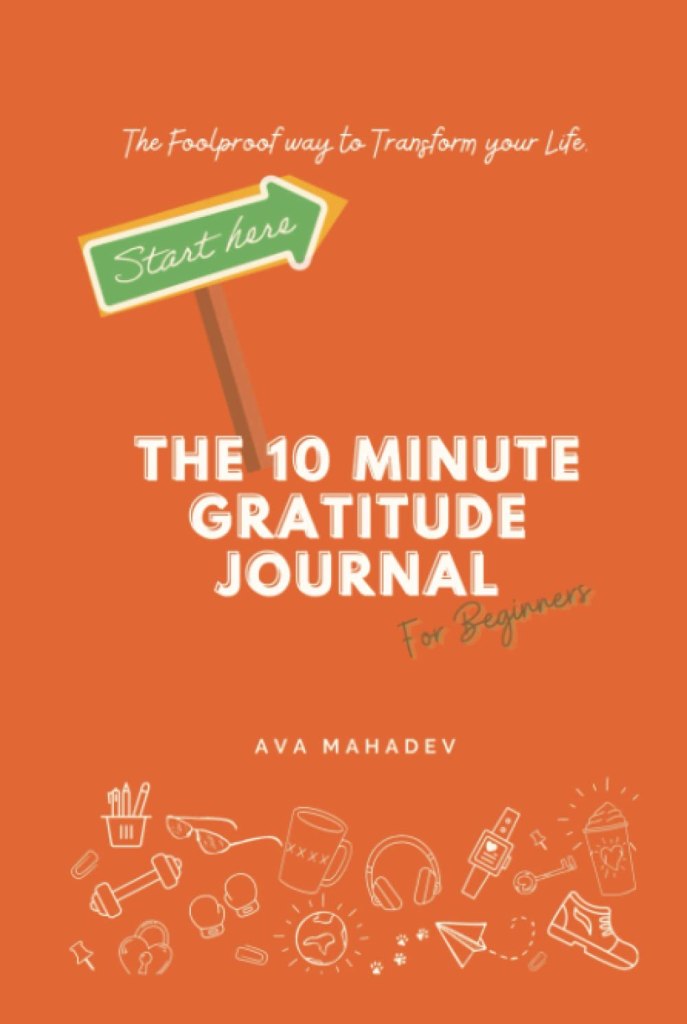
The daily commitment to taking time to put pen to paper is a way of untangling thoughts, processing emotions, and, of course, acknowledging what you’re grateful for, which leads to a more positive mindset, and to positive things happening in your life. A few prompts is all it takes to start the process.
Studies have found journaling to be as effective as Cognitive Behavioural Therapy (CBT) in reducing symptoms of depression, and can significantly reduce the symptoms of anxiety.
I find journaling to be one of the most important practices of my self-development and mental wellbeing. There are many different ways to journal, including writing in a stream of consciousness style for a few minutes to get tangled thoughts out of your mind, writing down goals or recording dreams, or writing a traditional diary of daily events.
Gratitude journaling is by far one of the most beneficial, and I recommend integrating it into a wider journal practice for the best benefits. It’s one of the key elements to developing a truly gorgeous mindset, and a daily practice that can keep both negative emotions and negative events out of your day-to-day existence.
What should I write in a gratitude journal?
There are lots of different avenues to gratitude journaling, beyond the simple directive to write about things you’re grateful for. Because expressing thanks isn’t something we’re necessarily taught, don’t worry if you find it difficult in the beginning.
It might take time to switch on the part of your brain that explores your life for things to express gratitude for, especially after a lifetime of taking things for granted.
Below are a few pointers about the types of things you might wish to write in your gratitude journal. But remember, this is a highly personalized practice.
Relationships From family to romantic partners and friends, relationships provide so much meaning and richness to life. How easy is it to take people for granted?
A great example of this is appreciating the finer qualities of a partner following a break-up, or suddenly experiencing a rush of gratitude for a friend’s acceptance or kindness.
One way to incorporate this into your gratitude journal is to acknowledge the things you’re grateful for. They don’t have to be the highs — they might include the way in which someone forgave you for a hurtful comment, or the way in which someone apologizes for something they did wrong.
It might be as simple as a pat on the back or a smile of support. Relationships are filled with opportunities for gratitude, when we open our eyes to see them.
Health The coronavirus pandemic hit home how easy it is to take health for granted. Many people, myself included, woke up to just how fortunate good health is. Again, remember the glass half full, glass half empty phenomena.
When expressing gratitude for your health, it pays to start at ground zero, to appreciate even the fact your eyes are functioning well enough to read these words, that your lungs and heart are supporting your aliveness.
When I started diving deep into my meditation practice, I had a period of weeks where I became hyper-aware of how lucky I was that, at some point in history, someone had worked hard to invent glasses and contact lenses.
One summer I visited a lake with friends, stunned by its beauty, finding myself expressing gratitude to all the people who made my vision possible. This was a sobering experience of becoming aware of something easily taken for granted.
Beauty I believe beauty is one of the most poignant portals into a feeling of gratitude. Beauty is best experienced in the moment — looking at a sunset, or suddenly being moved by a piece of music — but you can make sure to keep a record of these moments to keep the feeling alive.
Revisiting these moments of beauty helps to reinforce the experience in memory, and make you more sensitive to similar experiences in the future. Beauty is incredibly hard to define, but it’s something we all know when we experience it.
Some of the greatest thinkers of modern times, such as Henry David Thoreau and Ralph Waldo Emerson are recorded in history thanks to their efforts to express gratitude towards the beauty of nature in the written form.
The gifts of modern living It’s easy to feel despondent or apathetic towards lots of modern inventions, from technology that leads to hyper-surveillance, to a culture of consumerism that prioritizes profit over the planet.
Granted, there are many, many issues. But there are many gifts that offer a chance to express gratitude. Most of us are fortunate enough to experience living standards far better than royalty of years-gone-by.
The benefit of expressing gratitude by recording things you’re grateful for in modern living is that it starts to expand beyond your individual sphere. Imagine how much more difficult the pandemic would’ve been without Zoom?
Now, imagine just how many people made that possible — from the invention of electricity, to the internet, to the device you used, even to the people who made the individual components and transported them to factories across the world!
The small things What would gratitude journaling be without taking time to appreciate the small things? Of course, when you begin to express thanks for the small things, you realize they’re not small.
This is one of the most powerful practices because it trains your brain to focus precisely on the things in life rich for expressing thanks. Not just significant moments, but the deliciousness of a nice meal, or the warm embrace of a morning shower.
Like exercise, what happens when you train your brain to see reasons to be grateful in the minutiae of your experience? Then you always have a reason to feel thankful for life, despite any life situation you may find yourself in.
Writing prompts to get you started The above areas will hopefully give you an idea of the types of topics you can cover in your gratitude journal. As you get used to journaling and increasing your gratitude practice, it can help to have some direction. The below writing prompts can set you in the right direction:
What are you grateful for? The classic go-to. When I first learned of a gratitude technique in meditation, the practice was to ask the question, let go of judgment, and then see what the mind would present. I recommend a similar approach to journaling. Ask yourself what you’re grateful for, and then see what you feel called to write. Don’t judge it! It’s totally fine if what you list appears insignificant or not right. The practice is cultivating the attitude of gratitude, not worrying about specifics.
Who in my life right now am I thankful to? This primes your mind to explore your relationships for reasons to be thankful. It’s a tough, tough truth to swallow, but everyone you know and love will one day pass on from this Earth. Being aware of this reality allows for greater appreciation of the people in your life, presently, and the things they do for you, or simply who they are.
What abilities do I have to be thankful for? Call me sentimental, but at one point in writing this article, I started to feel a wave of appreciation for my ability to write. Writing makes me so happy, and through the wonder of technology, I get to share insights about something as meaningful as gratitude with you, dear reader! What a gift that is. Can you think of things in life made possible by your abilities?
Who helped make this possible? The Oscar-winning speech comes to mind. “I’d like to thank…” As cheesy as it can be, it’s understandable why in such a moment of achievement, actors look out into the crowd and express their appreciation for the people who made it all possible. But you don’t have to be acknowledged on the world stage to do so. Pick anything in life you are grateful for, and consider who helped make this possible. Was there a mentor or friend who taught you the ropes? Or a parent or guardian who instilled you with values that inspired you to have the courage to get to where you are?
Hopefully, the above writing prompts have sparked your creative juices. As Jiddu Krishnamurti once said, “To ask the ‘right’ question is far more important than to receive the answer.” There’s a skill in knowing what questions to ask to ignite a feeling of gratitude towards life. The seed of truth lies in all relevant questions as if a part of you already knows what miracles already exist in your life, waiting to be seen.
A few pointers on making the most of your gratitude practice Although ever-present existential bliss and gratitude is a nice aim, it’s likely that you won’t always feel connected to the gifts and blessings of life. That’s okay. Gratitude isn’t a way to dismiss the difficulties of life or to bypass challenging emotions. Work on simultaneously accepting your emotions, rather than judging them as bad or wrong, through practices such as mindfulness.
Spiritual traditions emphasize the quality of letting go when it comes to gratitude. You can practice this directly in meditation, by bringing to mind something you appreciate, and then letting go of any expectation of how you’ll feel.
Don’t express gratitude just to feel positive feelings! Allow the practice to be consistent. It’s likely you will feel a new appreciation for life, but the practice can’t be taken for that purpose alone.
Gratitude is a way of humbling yourself to something greater — be it other people in your life, the mystery of good fortune, or guidance from a higher power. That’s the core of the practice. It’s not a mental activity, either. How easy is it to robotically list all the things you “should” be grateful for? Genuine gratitude is a heart-based practice.
When it comes to expressing gratitude, I know firsthand the potential for it to backfire when feeling depressed or anxious. The “shoulds” can become a shortcut to feeling guilty, usually accompanied by judgments such as “why can’t I be grateful for all the good in my life?” In these situations, don’t force gratitude, but instead try your best to see through the fog, and find small glimmers of appreciation.
Regarding the practice itself, many people advocate listing three things you’re grateful for each day. That can be highly productive. But it’s not for everyone — one study found that counting blessings once per week had a strong impact on well-being, whilst three times per week didn’t. “That suggests that for most people, at least on average, three times a week was too much,” study author Sonja Lyubomirsky said.
What matters more than any fixed ideas is to find your personal rhythm and what works for you. Maybe you enjoy taking time on a Sunday afternoon, warm coffee in hand, scented candles lit, to reflect on all there is to be grateful for the week.
Maybe you journal gratitude after morning meditation, or maybe you do spontaneously as much as you can.
Like a delicious meal, gratitude is best shared. If after exploring gratitude and reflecting on some beginning writing prompts, you start to feel appreciation for others or life itself, why not take a moment to share that with someone you care for with a quick message or a call? With that said, I’m off to follow my own advice…






































 Ladies Enrichment Entrepreneurs Club Worldwide